

Blog
Tips and Tricks to Make Gel Polish Last 4 to 5 Weeks

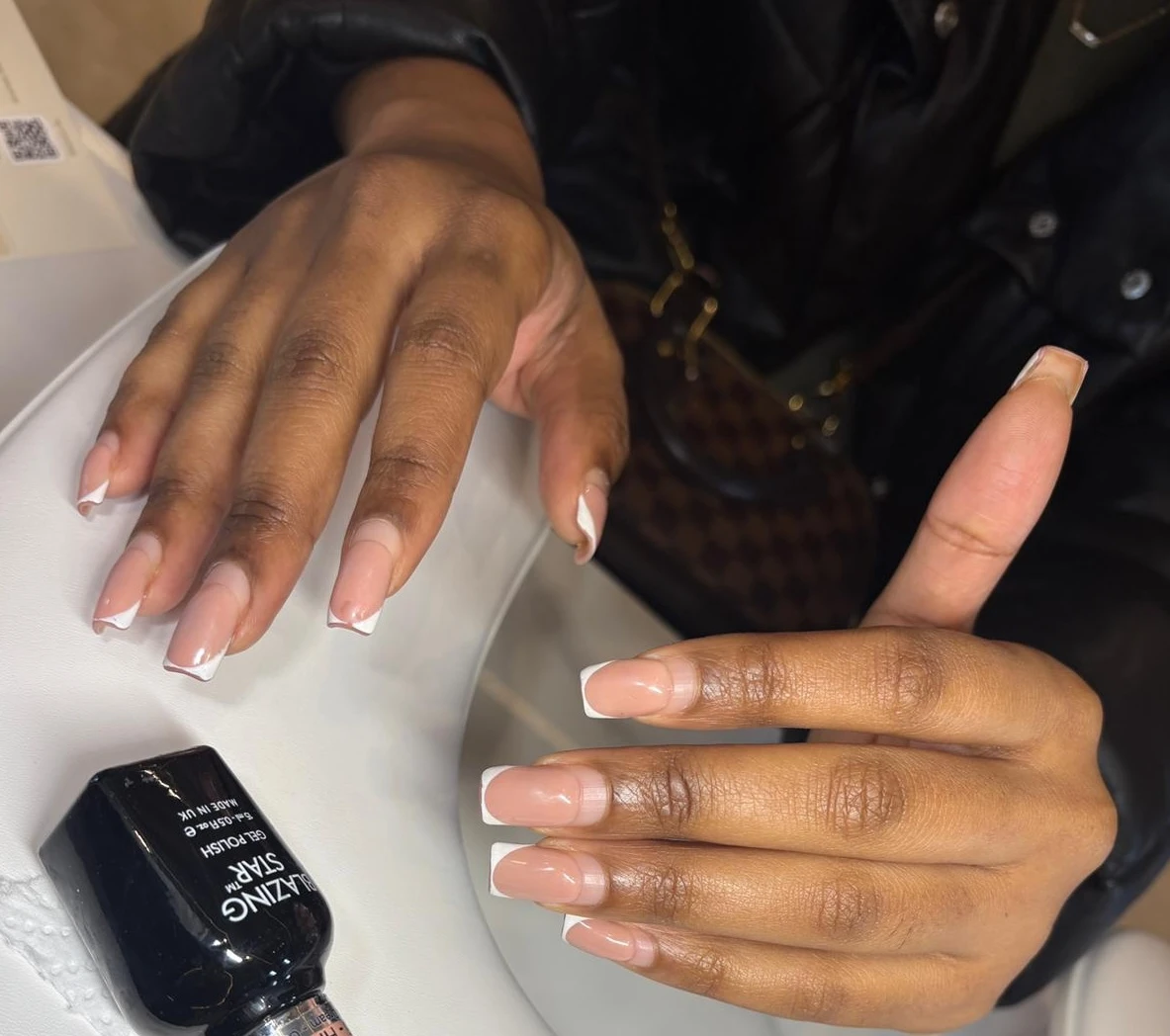
Most gel polish sets are expected to last two to three weeks. With the right prep, the right products, and a client who knows how to look after their nails at home, four to five weeks is realistic. Not every client will get there, and nail condition plays a big part, but pushing wear time is achievable and it is one of the things that separates a good nail tech from a great one.
This guide covers everything that affects gel polish longevity: what happens during prep, how product choice matters, and what clients need to do between appointments to keep the set looking good.
Too long? Read the TL;DR — Click here
Why Gel Polish Lifts Before It Should
Before getting into solutions, it helps to understand the actual causes. Gel polish that lifts, chips, or loses its shine early is almost always the result of one of three things: moisture or oil on the nail plate at the time of application, product touching the skin or sidewalls, or a formulation issue with the gel itself.
The natural nail plate is porous and produces oil continuously. If that oil is not fully removed before application, the gel cannot bond properly to the nail. It cures fine, looks fine immediately after, and then begins to separate days later. This is one of the most common reasons for early lifting and one of the most preventable.
Product on the skin causes a similar problem. Gel that touches the skin or floods the sidewalls does not have a solid surface to bond to, which creates a weak point right at the edge of the nail. That edge is also where water, cleaning products, and friction from daily use concentrate. Once lifting starts at the edge, it spreads.
Prep: The Part That Determines Everything
A gel set that lasts four to five weeks needs a proper foundation, and foundation starts before any product is opened.
Start by removing any surface shine from the nail plate with a buffer, working lightly across the entire surface. This is not about aggressively removing layers — it is about creating a surface the gel can adhere to. A shiny nail plate is a smooth, slightly waxy surface that gel polish does not grip well.
Push back the cuticles and remove any non-living tissue from the nail plate. Anything left on the surface, whether it is cuticle skin that has crept onto the plate or dead tissue that was not fully cleared, creates a barrier between the gel and the nail. Gel applied over that barrier will lift at exactly that point.
Dehydrate the nail plate before applying any product. A lint-free wipe with a small amount of acetone removes surface oils and any moisture picked up during the prep process. Work quickly after this step — do not let the client wash their hands or touch anything that would reintroduce oil to the nail.
Apply base coat to dry nails immediately after dehydration. The window between dehydration and application matters.
Choosing a Gel Polish That Holds
Product quality has a direct impact on wear time. A well-formulated gel polish cures more completely, bonds more reliably, and holds its colour and finish longer than a thinner or inconsistently made product. It should self-level without being too runny, cover in two coats without needing to be built up excessively, and cure cleanly without leaving a heavy inhibition layer.
BlazingStar Revive Gel Polish is formulated for professional use with a range of 72 colours across neutrals, nudes, brights, and seasonals. The consistency is designed to sit evenly on the nail without flooding sidewalls, which directly supports retention. For clients experiencing early chipping or dullness, switching to a professional-grade gel polish is often the first variable worth changing. See the full Revive Gel colour chart here. From £12 per bottle.
Application: The Details That Add Weeks
Even with perfect prep and good products, application technique determines the final result. A few habits make a consistent difference to wear time.
Cap the free edge on every layer, including base coat, colour, and top coat. Running the brush across the very tip of the nail seals the edge and prevents lifting from starting there. Many techs cap during colour but not during base or top coat — it should happen on every single layer.
Keep product off the skin. The sidewalls are the area where flooding happens most often. Work to within a fraction of a millimetre of the skin without touching it. If product does touch the skin, remove it with a clean brush or orangewood stick before curing.
Thin layers cure better than thick ones. A thick layer of gel polish may look more opaque in the moment, but it cures less completely from the inside out, which affects both durability and colour longevity. Two thin, well-cured coats outperform one thick coat every time.
Cure each layer fully according to your lamp’s specifications. Under-cured gel is softer, weaker, and more prone to lifting and chipping than properly cured gel. If you are seeing consistent retention issues across multiple clients using the same products, curing time is worth checking.
What to Tell Clients About Aftercare
The best application in the world will not survive a client who uses their nails as tools, skips gloves for washing up, and never applies cuticle oil. Client education is part of the service, and the clients who follow aftercare advice consistently are the ones who come back with their set still intact at four or five weeks.
The key points to communicate at every appointment are these. Wear gloves for any washing up, cleaning, or work involving prolonged water exposure. Gel that is repeatedly wet and dried expands and contracts slightly, which breaks down adhesion over time. Harsh cleaning chemicals accelerate this.
Do not use nails as tools. Opening ring pulls, peeling stickers, or scraping at surfaces creates leverage stress at the free edge that no product can fully withstand. Clients who do this will always have shorter wear times regardless of what was applied.
Apply cuticle oil daily, ideally morning and evening. Hydrated skin and nail tissue around the gel polish reduces the chance of dry cracking at the cuticle area that can pull at the edge of the product. It also keeps the nails and surrounding skin looking good, which extends the visual life of the set even when the product itself is still intact.
Do not peel off gel polish. This one is worth emphasising because it feels harmless in the moment and causes real damage to the nail plate. Each time gel is peeled, layers of the nail plate come with it. The damage is cumulative, and clients who peel consistently will develop thinner, weaker, more flexible nails that retain gel polish progressively less well over time.
When Four to Five Weeks Is Not Realistic
Some clients will not reach four to five weeks regardless of what is applied, and it is worth being honest about this rather than promising results that depend on factors outside your control. Clients who work with their hands, handle water frequently, or have naturally thin, flexible nails will typically see shorter wear times than clients with stronger nails and desk-based work.
Fast nail growth also affects the visible life of a set. A client whose nails grow quickly will see a visible gap at the cuticle before the product itself has lifted or chipped. The set may still be technically intact at four weeks, but if there is 5mm of new nail showing, it will not look fresh. Managing client expectations around growth versus product wear is part of a professional service.
The combination of thorough prep, a quality gel polish, careful application, and proper aftercare gives every set the best possible chance. Most clients who follow all of it will see meaningful improvement in wear time, and the ones who make it to four weeks or beyond tend to become the most loyal clients on the books.
Summary: Gel Polish Retention Checklist
Prep
- Lightly buff the nail plate to remove surface shine
- Push back cuticles and clear all non-living tissue from the plate
- Dehydrate with acetone on a lint-free wipe immediately before applying product
- Apply base coat to dry nails without delay
Product
- Use a professional-grade gel polish with consistent self-levelling formula
- Apply two thin coats rather than one thick one
Application
- Cap the free edge on every layer — base coat, colour, and top coat
- Keep product off the skin and sidewalls
- Cure each layer fully to your lamp’s specified time
Client Aftercare
- Wear gloves for washing up, cleaning, and prolonged water exposure
- Apply cuticle oil morning and evening
- Do not use nails as tools
- Do not peel off gel polish
Products Referenced in This Article
BlazingStar Revive Gel Polish — 72 colours, from £12. View colour chart.
Free shipping on orders over £50. Orders placed before 1PM Monday to Friday are dispatched the same day.